What Best Describes the Heat Energy of Theboiling Water
Moreover the boiling takes more time. Heat energy forces the molecules of the substance farther apart until the rigid structure of the solid breaks.

Unit 6 Energy Transfer Science Quizizz
This causes the water to increase kinetic energy.

. According to second law of thermodynamic heat flows from higher to lower temperature region. The energy from the heat source that is boiling the water is however STILL there. 1 The potential energy decreases and the average kinetic energy remains the same.
You accidentally grabbing the hot pan from the oven. 2 The potential energy decreases and the average kinetic energy increases. Using a smaller kettle or.
A 100 g B 200 g C 300 g D 600 g. Eventually the water becomes hot and boils. Thermal energy in a system is conserved and can increase the systems internal energy andor be used to do work Which best.
A digital temperature probe measures the temperature of water as it is heated on a heating plate. As the liquid boils the temperature of the liquid remains at 100C. The temperature increases from room temperature 25C to the boiling point 100C.
A sample of water is boiling as heat is added at a constant rate. Temperature is a measure of the average kinetic energy of the particles in matter. See answer 1 Best Answer.
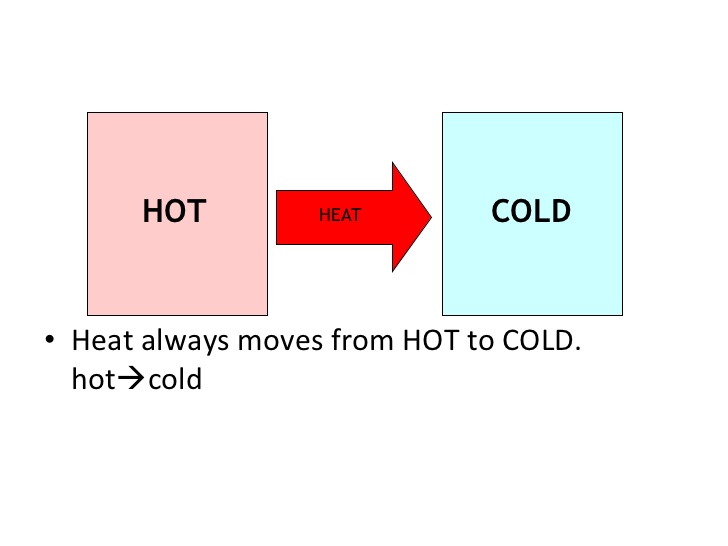
Heat energy overcomes the forces of attraction between the molecules of the substance so the molecules can move more freely. Heat is the transfer of energy from an object at higher temperature to an object at a lower temperature. Evaporation heats the water at the top and the flame heats the water at the bottom.
After a few minutes she measures the temperature again. So energy flows from warmer to colder objects. The walls of the beaker reflect heat toward the center so the water heats evenly.
We add it in there therefore to take into account how. Yes as water boils the temperature of the boiling water no longer rises. When this occurs they form gaseous molecules of water vapor which float to the surface as bubbles and travel into the air.
The specific heat of water is 10 calgC. Grams of water at 20ºC the final temperature of the water will be A 42 J B 63 J C 130 J D 630 J 47What is the total number of Joules of heat energy absorbed by 15 grams of water when it is heated from 30ºC to 40ºC. Kiley puts the water into a freezer.
The particles will gain a large amount of kinetic energy. The heat capacity tells us how much energy it takes to raise the temperature of 1 g of water by 1oC. The vapor particles have more energy.
In a nuclear plant water is heated by the fuel rods which heat up through nuclear reactions. The water in the pan is at a constant temperature of 155 c. This is why you may notice that heating a pan of water takes much less time than heating up your bathtub full of water even if you use the same amount of heat.
The method of heat transfer by which the sun warms the earth is radiation Energy is added in the form of heat to a pot of water on the stove. The applied heat causes the water molecules to move further away from each other without causing any increase in overall temperature. The Fahrenheit scale defines the freezing point of water as 32F and the boiling point as 212F.
Water is placed in a beaker. When water is boiled the heat energy is transferred to the molecules of water which begin to move more quickly. Which statement describes the potential energy and the average kinetic energy of the water molecules in this sample.
Eventually the molecules have too much energy to stay connected as a liquid. After a few minutes only liquid water is in the beaker. Boiling water is an endothermic process which supplies heat to the water molecules increasing their potential energy.
The more thermal energy added the greater the attraction between molecules. Which statement best describes the potential energy and the average kinetic energy of the water molecules in this sample. More specifically the applied heat goes into breaking the intermolecular bonds between the water.
Which situation is an example of transferring heat by means of convection. Which best describes the direction of heat. The pan contains a uniform depth of 127 cm of water is quite wide and has a length of 244 m in the wind direction.
Question 8 30 seconds Q. The spread of heat through the metal surfaces to the water is responsible for transferring energy from. The molecules of the substance move farther apart which pulls on the intermolecular bonds between them.
As the water temperature reaches 100C which is the boiling point for water at atmospheric pressure the continued heating is then used to break up the strong inter molecular forces between molecules of the water such that the individual molecules are free to move about and due to the high. Transcribed image text. Boiling twice the volume of water needed means that half of the energy is going down the drain right away.
Covalent bonds are broken allowing vaporization to occur. Heat is thermal energy. A sample of water is boiling as heat is added at a constant rate.
What best describes energy in the form of heat. Each water molecule gives up kinetic energy and eventually stops moving. The Celsius scale sets the freezing point and boiling point of water at 0C and 100C respectively.
The boiling process seems to become more efficient with a higher water level. The water molecules become packed closer together and their temperature increases. A pan containing water is placed in a positio n where it is exposed to a 10 mile per hour wind.
The liquid water changes to water vapor which is a gas. When a liquid is heated at its boiling point the temperature of the liquid increases temperature of the liquid remains the same as long as any liquid is present. Temperature of the vapor phase increases.
Thermal energy from the boiling water will flow to the room-temperature water until all of the water in the pot is at a single temperature. The temperature in a beaker of water is 50 C. This is taken into account by the heat capacity.
Heat from the burner radiates through the liquid and causes even heating. 46When 420 Joules of heat energy is added to 10. Take-home message When bringing water to boiling temperature it is important to heat exactly the amount that is needed.
Dierdra began writing a summary of the relationship between the first and second laws of thermodynamics. The molecules gain kinetic energy move farther apart and become a gas.
Heat Energy Basic Principles Quiz Quizizz
Heat Transfer Practice Questions Science Quizizz

Heat Transfer 5 P 3 1 Science Quiz Quizizz


Comments
Post a Comment